
CBG for Nerve Pain: Evidence, Limits and Buying Questions
Updated: 3 days ago
CBG has attracted interest for pain research, but it is not an established treatment for neuropathy or nerve pain. There is not enough clinical evidence to recommend a retail CBG oil as a replacement for diagnosis or a prescribed pain plan.
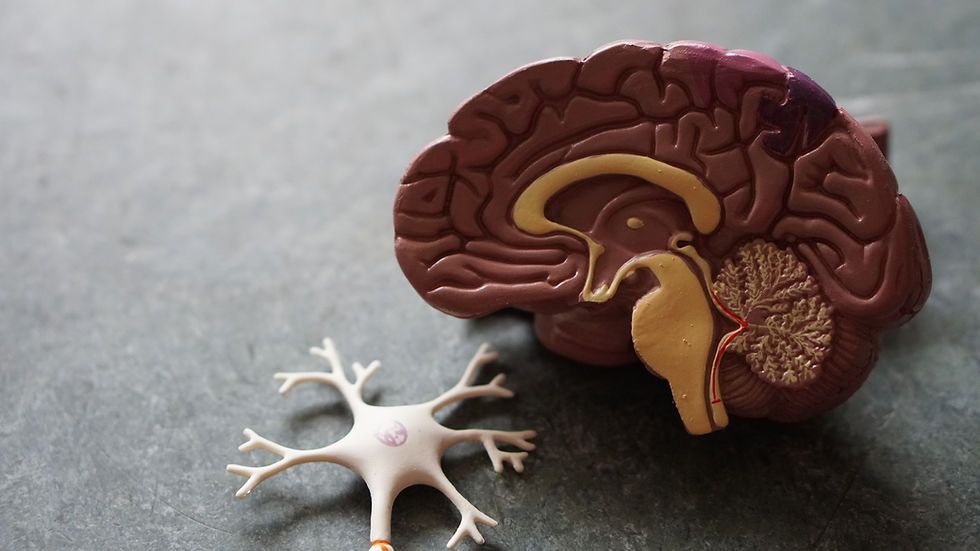
Why researchers are interested in CBG
Nerve pain can involve burning, tingling, electric-shock sensations, or pain from normally gentle touch. Its causes vary, so a single ingredient should not be expected to address every case.
CBG, or cannabigerol, interacts with biological targets that researchers study in pain and inflammation. NIH-supported research on minor cannabinoids is investigating these possibilities. A promising mechanism or animal result is not the same as improved pain and function in a well-controlled human trial.
What we can and cannot conclude
The small 2024 human CBG study examined acute effects on anxiety, stress, and cognition in healthy adults. It was not a neuropathy treatment trial. It cannot establish a dose for diabetic neuropathy, sciatica, chemotherapy-related nerve pain, or any other cause of nerve symptoms.
It is also inappropriate to transfer findings from THC-containing medicines, prescription CBD, or a CBD-CBG blend directly to isolated CBG. Ingredients, doses, routes, and study populations differ. There is no established evidence-based retail CBG dose for nerve pain that we can provide here.
Questions to take to your clinician
Describe where symptoms occur, when they started, and whether you have weakness or loss of sensation. Bring your medicine list and the exact product label if you are considering CBG. Ask whether cannabinoid use could complicate your treatment, and what changes should prompt an earlier review.
Do not stop a prescribed medicine or increase cannabinoid servings to chase relief. New or worsening weakness, severe symptoms after an injury, or loss of bladder or bowel control needs prompt medical attention rather than a shopping decision.
Comparing a CBG oil or blend
Check CBG and CBD amounts separately. A bottle labeled with total cannabinoids may contain considerably less CBG than the headline number suggests. Confirm how much liquid constitutes one serving and whether the dropper has useful markings.
Look for a recent, batch-matched lab report, including THC results and any contaminant panels. Full spectrum can include THC, and THC-free labeling cannot guarantee a negative drug test. Product quality checks reduce uncertainty about contents; they do not prove pain relief.
For topical products, check the whole formula. Menthol or other ingredients may create a cooling sensation that should not be attributed automatically to CBG.
Where to compare Cannagea formulas
Browse CBG products for current ingredients and serving details, or read CBG versus CBD before choosing a blend. Cannagea products are not intended to diagnose, treat, cure, or prevent neuropathy or other diseases.


Comments