
FREE SHIPPING ON ALL ORDERS OVER $34
We are currently in process of refreshing our product line. If you have any questions,
just give us call at 970-999-5712 and we would be happy to help.
Shipping is unavailable to Hawaii, Idaho, Iowa, Mississippi, New Hampshire, and South Dakota.
See our CBD shipping legality page to see if what products can ship to your state
CBD for Pain: Compare Capsules, Oils and Topicals
Exploring CBD for pain? Compare Cannagea capsules, oils and topicals by format, labeled cannabinoid content and ingredients. Start with the options below, then open a product page to check available sizes, current pricing and its lab report.
CBD is not FDA-approved to treat pain. Research on CBD alone has not established reliable pain relief, and results from THC-containing medicines do not establish that retail CBD products work the same way. Talk with a healthcare professional about persistent pain and whether CBD is appropriate for you.
Compare CBD Capsules, Oils and Topicals
Capsules — a pre-measured format
Max Relief CBD + CBG Capsules combine broad-spectrum hemp extract with MCT coconut oil in THC-free softgels. Choose from 30, 60 or 90 capsules. Compare the labeled serving and ingredients before selecting your bottle. View Max Relief CBD + CBG Capsules
Oil — a liquid format
600mg Broad Spectrum CBD Oil contains 600mg CBD per bottle, approximately 20mg per 1mL, in an MCT coconut oil base. It is labeled THC-free and comes in multiple flavor options. View 600mg Broad Spectrum CBD Oil
Topical — for external application
CBD Body Butter combines CBD-infused MCT oil with shea butter, beeswax, menthol and botanical ingredients. Choose 500mg or 1000mg total labeled CBD per container. Follow the label; this product is for external use only. View CBD Body Butter
Compare before you choose
Bottle and container totals are different from the amount in one serving or application. Check the ingredient list and compare the available certificate of analysis with your batch. “THC-free” does not guarantee a negative drug test. Product pages show current prices and options.


How CBD Works for Pain: The Endocannabinoid System
To understand CBD for pain, it helps to know about the endocannabinoid system, or ECS. This is a network of receptors, enzymes, and signaling molecules found throughout the brain, nervous system, immune system, and connective tissues.
-
The ECS helps regulate:
-
Pain perception
-
Mood and stress response
-
Sleep and recovery
Learn more about CBD for Inflammation--->
CBD does not work like a typical painkiller and does not “numb” you. Instead, it appears to:
-
Support a balanced inflammatory response
-
Influence pain signaling pathways in the brain and spinal cord
-
Interact with receptors involved in nerve sensitivity and discomfort
-
Help the nervous system shift out of constant “fight or flight”
By supporting the ECS, CBD may help some people feel less tension, less inflammatory discomfort, and a lower intensity of chronic pain over time.
Learn More About the Endocannabinoid System--->
What Type of CBD Is Best for Pain?
One of the most common questions people ask is: “What type of CBD is best for pain?” There is no one-size-fits-all answer, but there are clear patterns.
Full Spectrum CBD for Pain
Full spectrum CBD includes:
-
CBD
-
Minor cannabinoids like CBG, CBC, and CBD-A
-
Natural hemp terpenes
-
Trace THC (within legal limits of under 0.3 percent)
Because these compounds work together, many people find full spectrum CBD oil for pain relief to be the most noticeable, especially for chronic pain, arthritis, low back pain, and deep muscle or joint pain. This synergy is often called the entourage effect.
Full spectrum CBD may be a good fit if:
-
You want maximum whole-plant support
-
You are managing long-term pain or inflammation
-
You are comfortable with trace THC in a hemp extract
THC-Free Broad Spectrum CBD for Pain
THC-free broad spectrum CBD contains CBD plus other cannabinoids and terpenes but with THC removed. It is popular with:
-
Professionals who undergo workplace drug testing
-
People who prefer to avoid THC completely
-
Users who want daytime, clear-headed pain support
Broad spectrum CBD for pain is often used in high-potency tinctures and softgels to support joint pain, muscle soreness, and general discomfort without THC exposure.
CBD Isolate and CBG Formulas
CBD isolate contains only CBD. It can be a good fit for people who are extremely sensitive to other cannabinoids, but it is generally considered less synergistic.
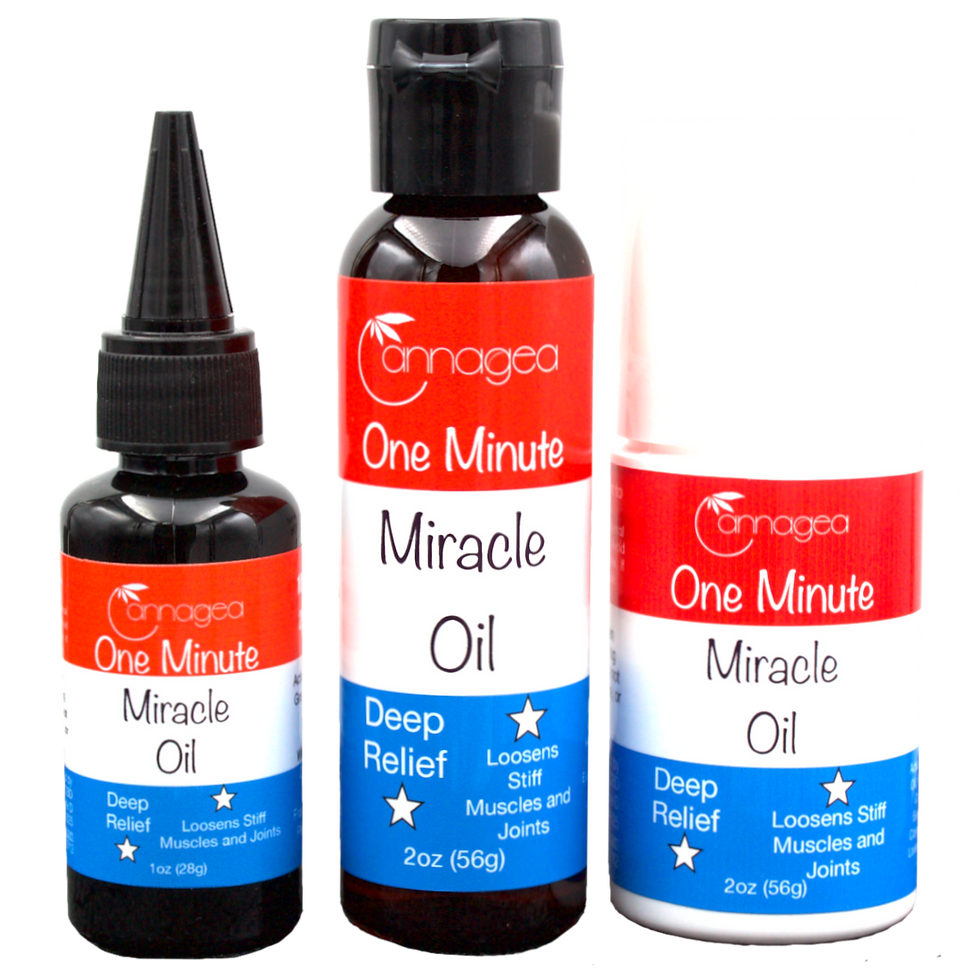
CBG oil for pain and CBD + CBG combinations (like Cannagea Max Relief capsules and 1 Minute Miracle Oil) are increasingly used for joint pain, nerve discomfort, and inflammatory pain because CBG appears to support resilience and anti-inflammatory pathways.
Does CBD Really Work for Pain?
The evidence depends on the product studied. AHRQ's 2025 review found that oral purified or synthetic CBD alone did not improve pain or function compared with placebo in the included trials. Some THC-containing products showed small benefits, but those findings do not establish that Cannagea products or retail CBD generally will relieve pain.
CBD products sold here are not FDA-approved pain treatments. CBD can cause side effects and interact with medicines. Discuss persistent pain and CBD use with a healthcare professional before changing your care.
Types of Pain CBD May Help Support
Chronic Pain
CBD is widely used for chronic pain conditions that involve ongoing discomfort, such as:
-
Long-term low back pain
-
Osteoarthritis and rheumatoid arthritis
-
Tendon and ligament pain
-
Old injuries that never fully resolved
CBD oil, capsules, and topicals can work together to help support reduced pain signaling, inflammation, and muscle guarding over time.
Joint Pain and Muscle Pain
CBD topicals and high-potency CBD oils are common choices for:
-
Sore knees, hips, shoulders, and hands
-
Muscle soreness after exercise or physical work
-
Stiffness from aging joints and daily wear and tear
Topical CBD body butter, balms, and cooling gels can be applied directly to areas of discomfort, while internal CBD helps support whole-body balance.
Learn more about CBD for Joint Pain--->
Neuropathic Pain and Nerve Discomfort
Nerve pain often feels burning, tingling, sharp, or electric. Some preclinical and clinical research suggests cannabinoids may provide modest relief for certain neuropathic pain conditions, though results are mixed and more research is needed. Effective Health Care
CBD may support nerve comfort by:
-
Influencing receptors involved in nerve signaling
-
Supporting inflammation around nerves
-
Calming an overactive nervous system
Full spectrum CBD and CBD + CBG formulations are often used here.
Learn more about CBD for Nerve Pain and Neuropathy--->
Post-Surgery and Injury Recovery
CBD is also used by people recovering from surgery, sprains, strains, and sports injuries to help manage:
-
Swelling and inflammation
-
Muscle spasms and guarding
-
Sleep disruption from discomfort
-
Stress during the healing process
Topicals like CannaCool Cooling Gel and Max Relief Balm can be paired with CBD drops or capsules to support recovery from multiple angles.
CBD for Sciatica
CBD may help manage several of the key symptoms and underlying contributors to sciatica, including:
-
Nerve irritation and overactive nerve signaling
-
Inflammation around the lumbar spine and sciatic nerve root
-
Lower-back tension and muscle guarding
-
Piriformis tightness that compresses the sciatic nerve
-
Radiating pain into the hip, glutes, legs, or feet
-
Burning, tingling, and electric-like nerve sensations
-
Mobility limitations and stiffness
-
Sleep disturbances caused by nerve pain
-
Stress and anxiety that worsen sciatica symptoms
CBD For Inflammation Relief--->
CBD For Migraines Can It Really Help--->
CBD For Pain And Inflammation What Science Says--->
CBD For Pain Relief How CBD Can Help Manage Pain Naturally--->
CBD For Seniors Joint Support Mobility--->
CBD Oil For Chronic Pain Relief--->
CBG For Nerve Pain Is CBG Good For Pain Relief--->
How CBD Gummies Can Help With Pain Relief A Tasty Solution--->
What Is the Best Way to Use CBD for Pain?
The best way to use CBD for pain depends on:
-
What kind of pain you have
-
How widespread it is
-
How quickly you want relief
-
Whether you need all-day support, nighttime support, or both
A layered approach often works best.
CBD Oils and Tinctures for Pain
CBD oil for pain relief is absorbed under the tongue and then swallowed. It supports whole-body comfort and is easy to adjust.
Best for:
-
Chronic pain
-
Widespread inflammatory pain
-
Back and neck pain
-
Nerve pain that is not limited to one spot
High-potency oils like Cannagea’s 2400 mg and 4500 mg tinctures are ideal when you need more significant support.
CBD Pills for Chronic Pain: What to Compare
If you are comparing CBD pills for chronic pain, capsules and softgels offer a pre-measured format without a dropper. Compare the CBD amount per capsule, any additional cannabinoids such as CBG, the ingredient list, bottle count and available lab report. A higher labeled amount does not establish better pain relief.
Cannagea Max Relief THC-Free Softgels combine CBD and CBG in a broad-spectrum formula with MCT coconut oil. Choose a 30-, 60- or 90-capsule bottle on the product page. Capsules are not an approved treatment for chronic pain or a substitute for your prescribed care; discuss CBD and medication interactions with your clinician or pharmacist.
Compare Max Relief THC-Free Capsules | View the full-spectrum Max Relief option
CBD Topicals for Localized Pain
CBD topicals are ideal when pain is focused in one area, such as:
-
Knees and hips
-
Hands and wrists
-
Lower back and shoulders
-
Feet and ankles
Options include:
You can use topicals alone or in combination with an oil or capsule.
Combining Internal and Topical CBD
For many people, the best way to use CBD for pain is to combine:
-
A daily CBD oil or capsule for baseline support
-
A CBD topical for flare-ups or localized areas
This layered strategy addresses pain both from the inside out and from the outside in.
How Much CBD Should You Take for Pain?
There is no single standard dose of CBD for pain. Factors like body weight, sensitivity, severity of pain, metabolism, and product strength all matter.
A common approach is:
-
Start with 10–20 mg CBD once or twice per day
-
Maintain for several days while monitoring how you feel
-
Gradually increase by 5–10 mg per dose until you notice meaningful support
For more significant chronic pain, people sometimes use 40–100 mg per day, split into two or three servings, often with a topical added for local support. It is best to increase slowly and give your body time to respond.
Always talk with a healthcare professional before using CBD, especially if you take prescription medications or have underlying health conditions.
What Is a Negative Side Effect of CBD?
CBD is generally considered to have a favorable safety profile, but it is not free of side effects or risks. Clinical research and safety reviews report that CBD may cause: nih.gov
-
Dry mouth
-
Drowsiness or fatigue
-
Diarrhea or digestive upset
-
Reduced appetite or weight changes
-
Changes in liver enzymes at higher doses
-
Drug–drug interactions (especially with medications processed by the liver)
A negative side effect of CBD might be feeling overly tired during the day, or experiencing loose stools or appetite changes as your body adjusts. At extremely high doses or in sensitive individuals, CBD can affect liver function tests and how other medications are metabolized.
Because of this, it is important to:
-
Start with a low dose and increase slowly
-
Avoid ultra-high doses without medical supervision
-
Talk to your doctor or pharmacist if you take prescription medications (such as blood thinners, anti-seizure medications, or certain antidepressants)
-
Choose reputable brands with clear lab results
Is CBD Safe and Legal for Pain?
Hemp-derived CBD products with less than 0.3 percent delta-9 THC are federally legal in the United States, though state laws can vary.
Key points:
-
The FDA has not approved over-the-counter CBD products to treat pain or other medical conditions, and companies are not allowed to market CBD as a cure or treatment for diseases.
U.S. Food and Drug Administration
-
CBD can still carry risks, especially at high doses or when combined with other medications.
-
Quality varies widely between brands, so lab-tested products are essential.
CBD should be seen as a supportive wellness tool, not a replacement for professional medical care.
How to Choose High-Quality CBD for Pain Relief
When you are using CBD for chronic pain, joint pain, or neuropathic pain, product quality matters.
Look for:
-
Third-party lab testing (Certificate of Analysis)
-
Confirmed cannabinoid levels and THC content
-
Screening for pesticides, heavy metals, and residual solvents
-
Full spectrum or broad spectrum extracts for more complete support
-
Clean carrier oils like MCT oil
-
Natural flavoring and no unnecessary fillers
Transparent brands will clearly show how and where their hemp is grown, how products are extracted, and how often batches are tested.
Why Choose Cannagea’s CBD for Pain Relief
Cannagea focuses on quality, consistency, and pain-supportive formulations.
Highlights include:
-
Colorado-grown hemp
-
Full spectrum and broad spectrum THC-free options
-
High-potency tinctures for pain and inflammation support
-
CBD + CBG formulas for advanced relief
-
Topicals designed for deep, targeted comfort
Popular options for pain include:
-
Max Relief CBD + CBG Softgel Capsules (THC-free and full spectrum)
-
2400 mg and 4500 mg CBD Oil Tinctures (full spectrum and THC-free)
-
1 Minute Miracle Oil for joint pain and stiff muscles
-
3000 mg Max Relief Balm and 1000 mg Lavender Relief Balm
-
Full Spectrum CBD Body Butter and CannaCool Cooling Gel
These can be combined into a personalized routine that fits your pain pattern and lifestyle.
CBD for Pain: Frequently Asked Questions
Are CBD capsules better than CBD oil for pain?
Neither format has been established as the best CBD treatment for pain. Capsules provide a pre-measured format; oils are measured as a liquid. Compare labeled amounts, ingredients and your preferences with guidance from a healthcare professional.
Does CBD really work for chronic pain?
Evidence for CBD alone does not establish reliable chronic pain relief. AHRQ's 2025 review found no improvement in pain or function with oral purified or synthetic CBD alone versus placebo in the included trials. Results from THC-containing medicines should not be assumed to apply to retail CBD products.
How do I compare CBD capsule and oil strengths?
Compare the amount of CBD in one labeled serving. A bottle's total milligrams are not the amount in each capsule or dropper. The 600mg oil lists approximately 20mg CBD per 1mL; follow the individual product label and discuss use with your clinician.
Is THC-free CBD suitable if I am drug tested?
No CBD product can guarantee a negative drug test. A THC-free label is not a drug-testing guarantee. If avoiding a positive result is essential, the safest choice is to avoid cannabinoid products.
CBD for pain relief offers a natural way to support chronic pain, inflammation, and recovery without intoxication. While it is not a magic switch, many people find that consistent use of high-quality CBD oils, capsules, and topicals helps them move more comfortably, sleep more deeply, and feel less controlled by pain.
By choosing trusted products, starting low, going slow, and integrating CBD into a thoughtful wellness plan, you can explore whether CBD is a helpful partner in your own pain journey.