
CBD and Women’s Wellness: Evidence, Safety & Product Considerations
Updated: 3 days ago
CBD and women’s wellness: evidence before marketing
CBD is often promoted for menstrual discomfort, menopause, mood and sleep. Research for these specific uses remains limited, and CBD is not FDA-approved to treat PMS, menopause symptoms, anxiety or insomnia. Personal experiences can be meaningful, but they do not establish that a product is safe or effective for everyone.
PMS and menstrual discomfort
There is not enough high-quality clinical research to recommend CBD as a treatment for PMS or menstrual cramps. Persistent, severe or newly worsening pelvic pain can have causes that need evaluation. Proven options and individualized care should come first.
Menopause, mood and sleep
Menopause can affect temperature regulation, sleep, mood and comfort. CBD studies have not established a standard dose or product for these symptoms. Sleep and anxiety studies use varied formulations and often include small samples, so conclusions remain uncertain.
Pregnancy and breastfeeding
The FDA strongly advises against CBD, THC and marijuana in any form during pregnancy or breastfeeding. There is no comprehensive research showing CBD is safe for a developing fetus or breastfed infant, and products may contain unexpected THC or contaminants.
Safety and medication interactions
CBD can cause sleepiness, diarrhea, appetite changes or mood changes. It may affect the liver and can change how some prescription medicines work. Hormone therapies, blood thinners, sedatives and other medications make a pharmacist or clinician review especially important.
How to evaluate a product
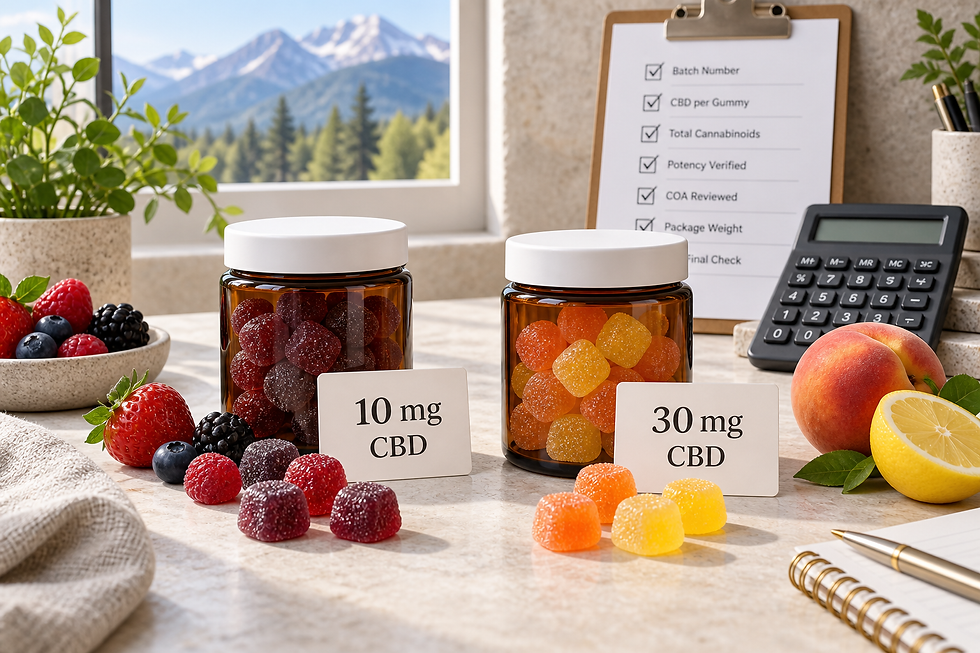
• Match the batch number to a recent independent certificate of analysis.
• Check CBD and THC per serving, not only the amount in the container.
• Look for contaminant testing for pesticides, heavy metals, solvents and microbes.
• Avoid claims that a product balances hormones, treats anxiety or cures insomnia.
• Track one change at a time and stop if side effects occur.
When to seek care
Contact a clinician for severe pelvic pain, unusually heavy bleeding, bleeding after menopause, persistent low mood, panic symptoms or long-lasting sleep problems. Seek urgent help for thoughts of self-harm or symptoms that feel dangerous.
Bottom line
CBD may be used by some adults as a general wellness product, but evidence for women-specific symptoms is not strong enough for treatment claims. Clear labeling, third-party testing and a medication review support a more informed decision.
Sources
U.S. Food and Drug Administration: CBD during pregnancy and breastfeeding — https://www.fda.gov/consumers/consumer-updates/what-you-should-know-about-using-cannabis-including-cbd-when-pregnant-or-breastfeeding
U.S. Food and Drug Administration: CBD safety and drug interactions — https://www.fda.gov/consumers/consumer-updates/what-you-need-know-and-what-were-working-find-out-about-products-containing-cannabis-or-cannabis
Narayan et al., systematic review of cannabinoids for anxiety and sleep — https://pubmed.ncbi.nlm.nih.gov/36370842/
This article is educational and is not medical advice. Cannagea products are not intended to diagnose, treat, cure or prevent any disease.

Comments